Medical Education Program
Bachelor of Dental Surgery
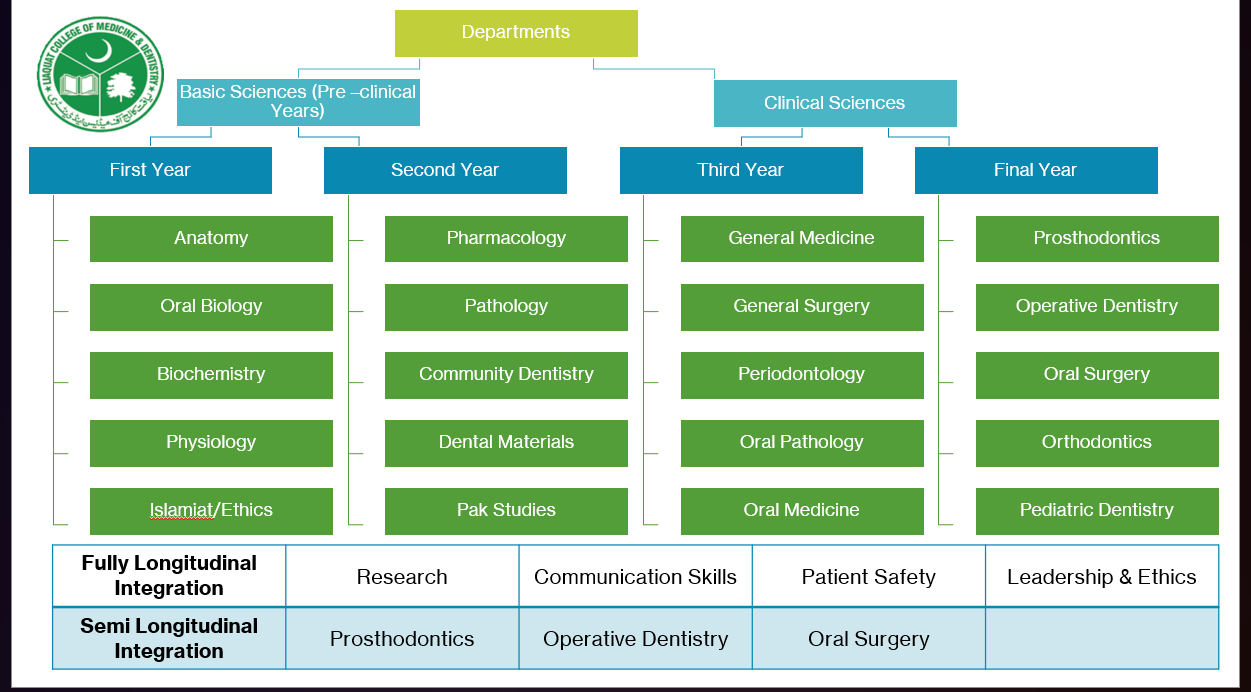
As per the requirement of PMDC, it is a four-year degree program. The Jinnah Sindh Medical University will conduct a professional examination at the end of each academic year.
OUR OBJECTIVE
- Demonstrate a high level of clinical proficiency in performing a wide range of dental procedures including diagnosis, treatment planning and execution of dental treatments.
- Provide patient-centered care, showing empathy, compassion and respect for patients’ needs and concerns, and effectively communicate treatment options and plans.
- Adhere to the highest ethical standards in dental practice, maintaining integrity, honesty and confidentiality while fostering trust and professionalism in their interactions with patients and colleagues.
- Assume leadership roles with in their dental practices or in dental organizations, as well as collaborate effectively with other healthcare professionals to ensure comprehensive patient care.
- Exhibit a commitment to lifelong learning by actively engaging in continuing education, staying current with advancements in dental science and technology, and seeking opportunities to enhance their skills.
- Actively engage in their local communities to promote oral health awareness, provide dental care to underserved populations, and contribute to the betterment of oral healthcare on a broader scale.
- Critically evaluate and apply scientific research to their clinical practice ensuring evidence-based decision making and continuous improvement in patient care.
- Possess basic knowledge and skills in practice management, including financial management, regulatory compliance, and ethical billing practices.
- Demonstrate strong communication skills, both with patients and within the dental team, fostering effective teamwork and patient education.
- Strive to achieve positive patient outcomes, including improved oral health, patient satisfaction, and the prevention or early detection of dental diseases.
- Demonstrate proficiency in the use of dental instruments and equipment, required for dental procedures.
- Identify common dental conditions and diseases.
- Formulate comprehensive treatment plans for patients, considering their oral health status and individual needs.
- Develop the ability to prioritize and sequence dental treatments effectively, considering both immediate and long-term oral health goals.
- Provide compassionate and empathetic care, acknowledging the physical and emotional needs of patients.
- Implement the concept of informed consent, ensuring that patients are well-informed about their treatment options and have the opportunity to provide their consent or refusal.
- Engage in self-reflection and continuous improvement of their patient-centered care and communication skills
- Consistently make ethical decisions in their interactions with patients, colleagues, and the broader dental community.
- Maintain strict patient confidentiality, respecting the privacy and security of patient information and medical records.
- Demonstrate appropriate professional boundaries in their relationships with patients and colleagues.
- Demonstrate the ability to assume leadership roles within dental practices or dental organizations.
- Provide ethical and moral leadership, upholding the highest standards of integrity and professionalism in their roles.
- Commit to ongoing professional development and leadership training to refine their leadership and collaboration skills over time.
- Develop a strong commitment to lifelong learning, recognizing that dentistry is a dynamic field that requires ongoing education.
- Stay informed about the latest advancements in dental science, technology, and treatment options.
- Actively participate in continuing education programs, workshops, and seminars to stay current with best practices and evolving standards in dentistry.
- Keep up-to-date with advances in dental technology, and effectively and safely integrate these tools into their practice.
- Actively participate in and lead community outreach programs and events aimed at promoting oral health awareness, preventive care, and healthy oral hygiene practices.
- Proficient in delivering effective oral health education to community members of all ages, focusing on prevention and maintaining good oral hygiene practices.
- Aim for long-term community impact by establishing sustainable programs, initiatives, or partnerships that continue to promote oral health awareness and access to care.
- Engage in self-reflection and evaluation of their community engagement efforts, seeking continuous improvement and increased effectiveness.
- Develop strong research literacy, which includes the ability to locate, critically evaluate, and understand scientific literature relevant to dentistry.
- Consistently make clinical decisions based on the best available scientific evidence, using research findings to guide patient care.
- Integrate evidence-based findings into their clinical practice, adapting treatment plans and approaches as new research emerges.
- Practice research ethics, including the responsible conduct of research, informed consent, and the protection of human subjects in dental research.
- Engage in lifelong learning by continuously updating their knowledge of research methodologies and staying informed about the latest research trends in dentistry.
- Demonstrate proficiency in managing the financial aspects of a dental practice, including budgeting, financial planning, and expense control.
- Practice intricacies of billing and coding for dental services, ensuring accuracy and
- Clinical Proficiency
- Patient Centered Care
- Professionalism And Ethics
- Leadership And Collaboration
- Continual Learning
- Community Engagement
- Research And Evidence-Based Practice
- Practice Management
WHAT OUR STUDENTS SAY
PROGRAM INFORMATION
FREQUENTLY ASKED QUESTIONS
-
LCMD offers a wide range of programs including MBBS and BDS at undergraduate level, and FCPS, MCPS, MPhil and MDS at postgraduate level. Nursing and allied health sciences programs are also available.
-
Yes. LCMD is recognized by the Pakistan Medical and Dental Council (PMDC) and is affiliated with Jinnah Sindh Medical University (JSMU) and University of Karachi.
-
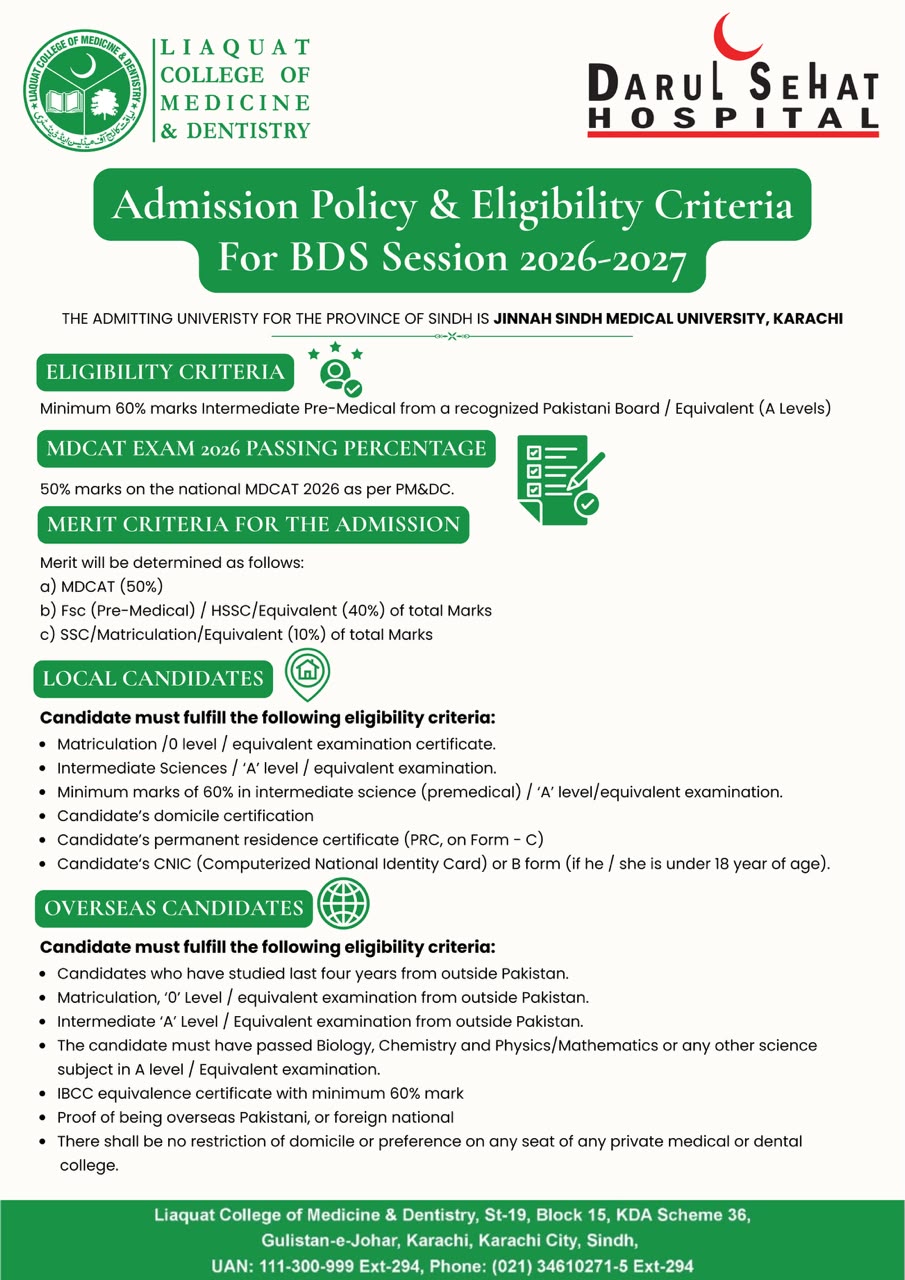
Applicants must have completed FSc (Pre-Medical) or equivalent qualification with the required minimum percentage as per PMDC guidelines and must have qualified MDCAT or relevant entry test.
-
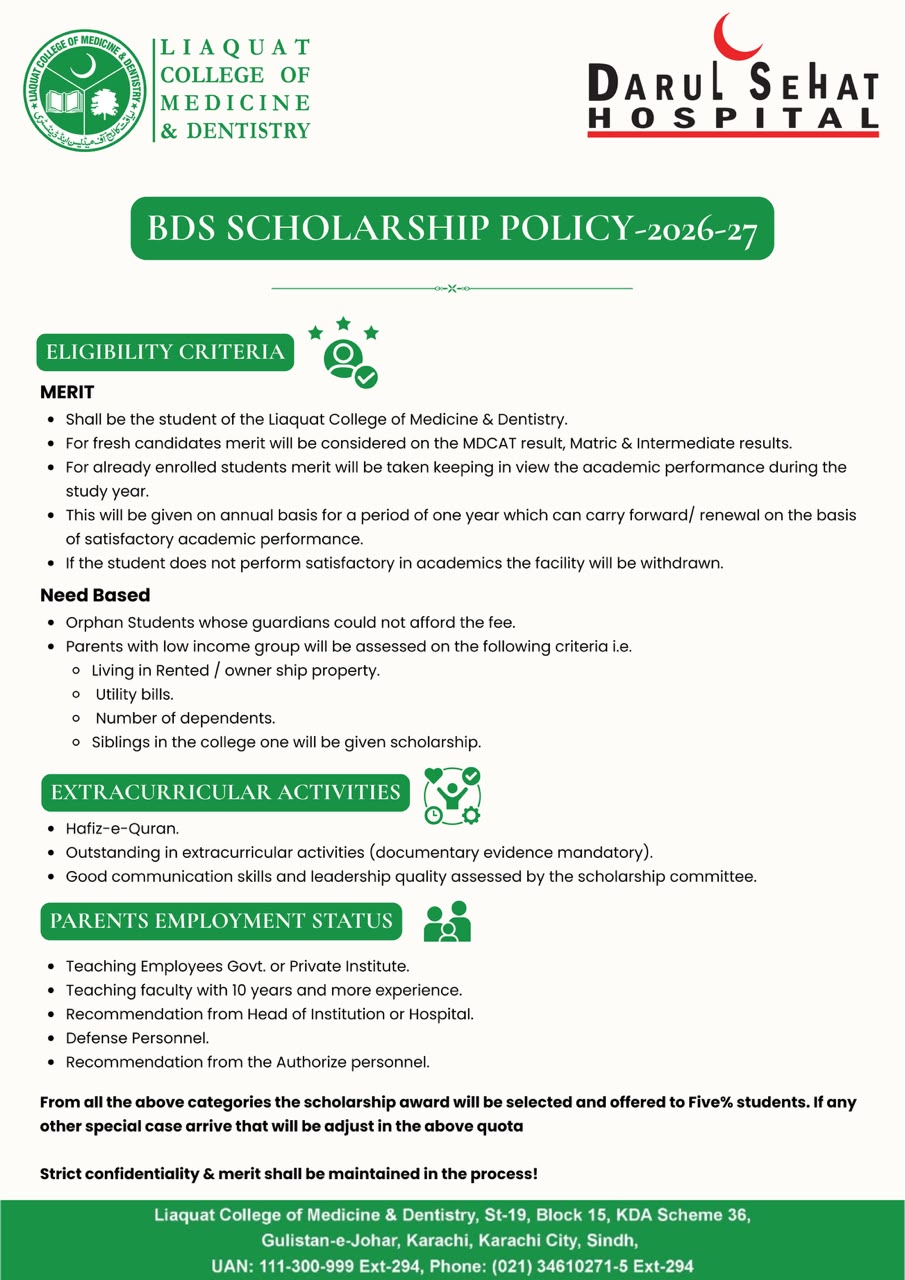
Yes, merit- based scholarships and financial assistance may be available for deserving and high-achieving students based on institutional policy.
-
Yes, LCMD provides separate hostel facilities for male and female students with basic residential, security, and recreational amenities.
-
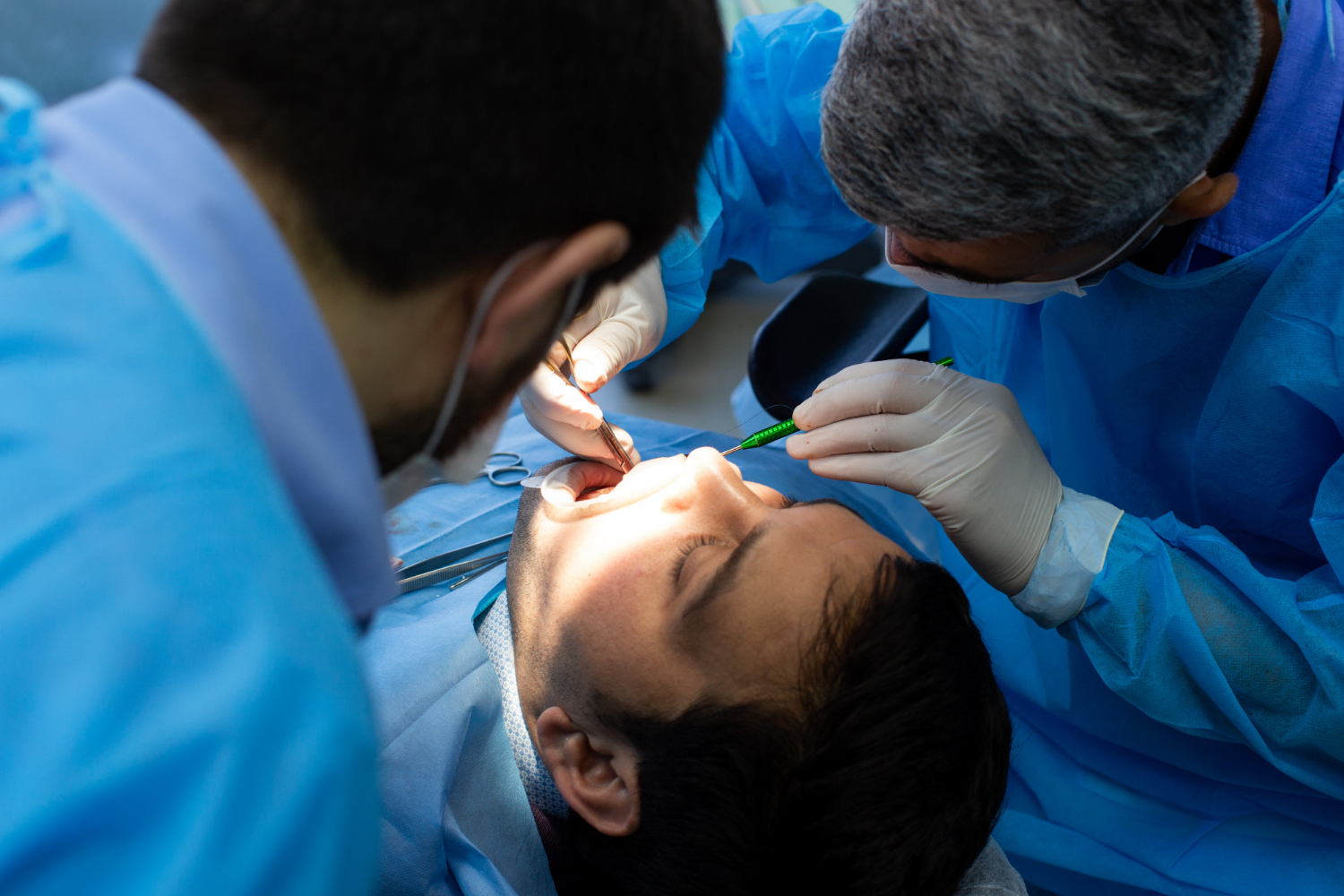
Yes. Students receive supervised clinical training with real patients across multiple dental and medical specialties.
-
Yes, international applicants can apply if they meet equivalence certification requirements and admission eligibility criteria.
-
Yes, students are encouraged to participate in research projects, conferences, and academic publications under faculty supervision.
-
You can contact the admissions office via the official LCMD website, phone, or by visiting the campus during working hours.