2 April, 2026
CHPE Session
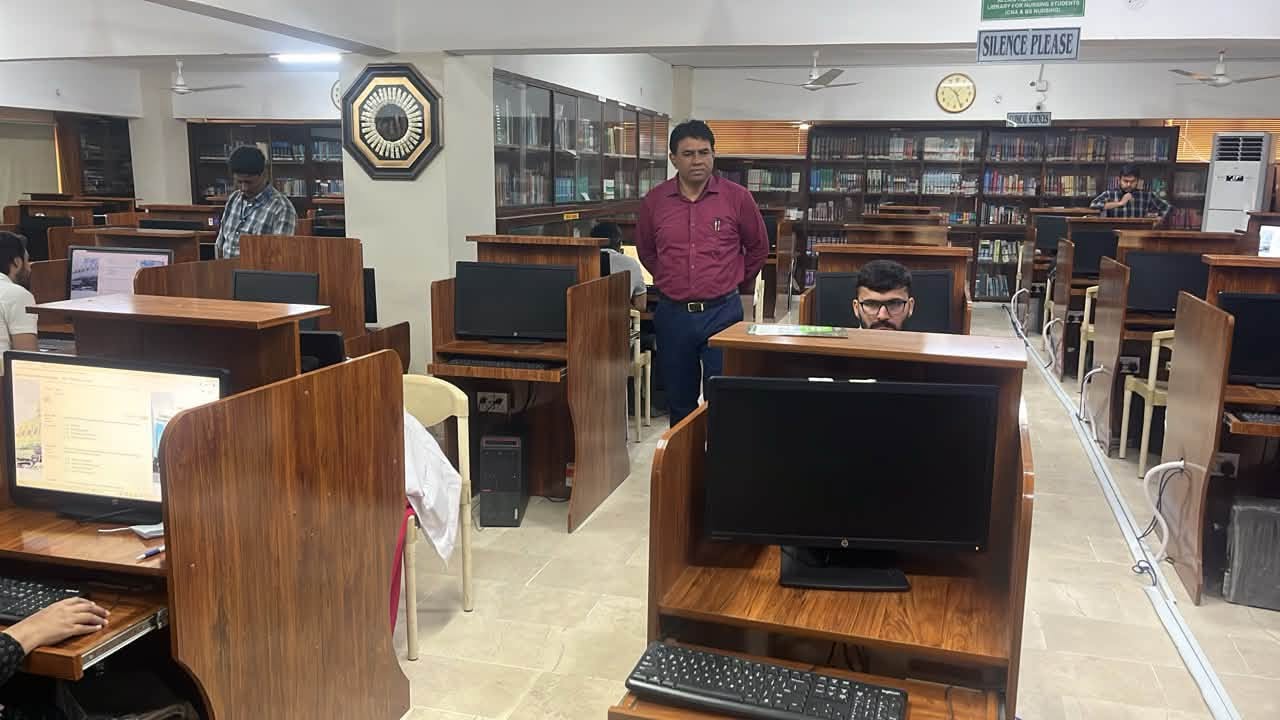
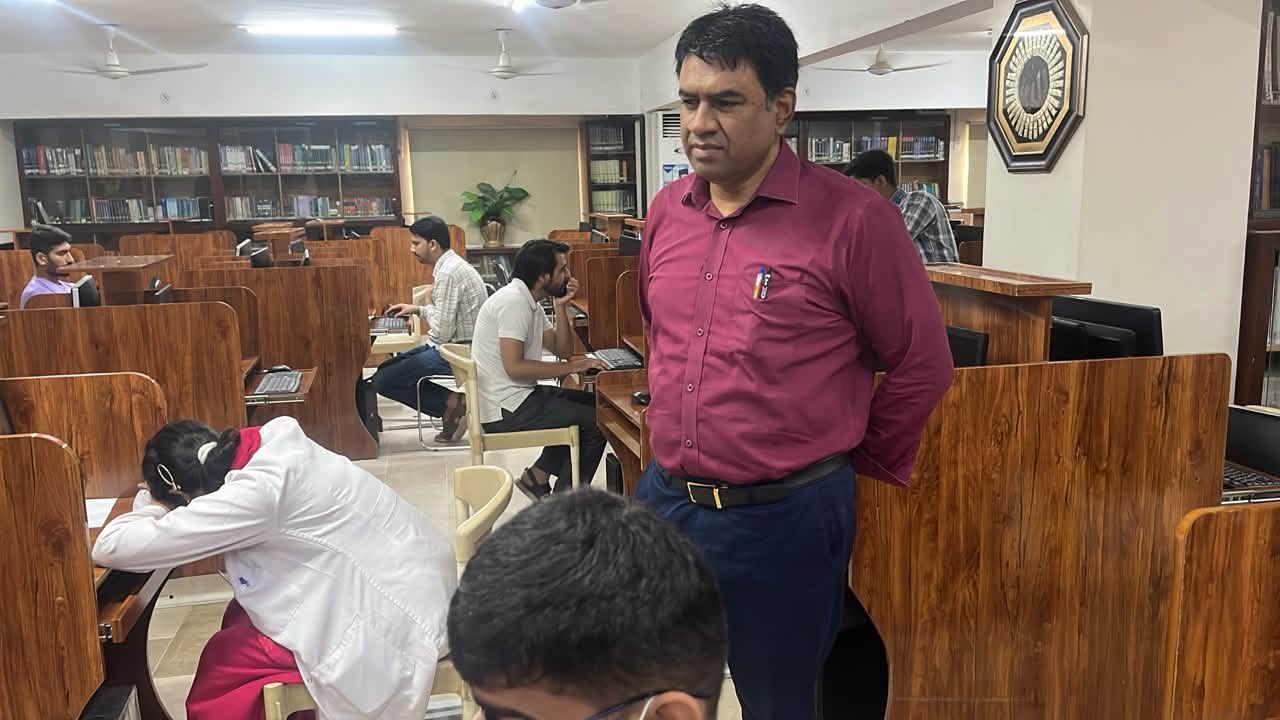
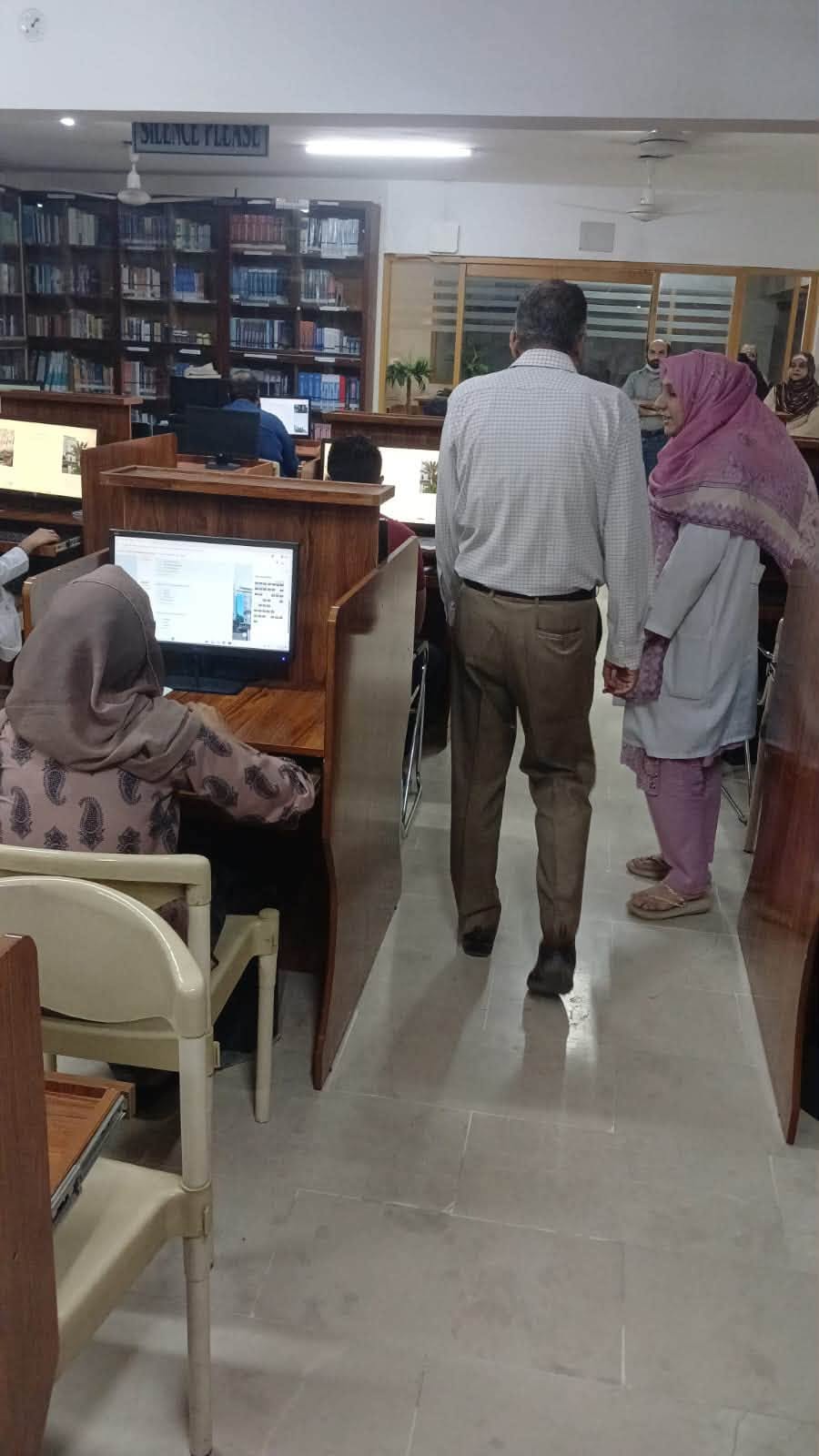
Today’s CHPE session began with encouraging welcome by Dr. Ayesha. The first session was conducted by our esteemed external facilitator, Dr. Sahar Abbasi, on OSCE planning, scaling responses, and assessment of competencies. The session was highly interactive and thoughtfully designed, enabling participants to develop a clear understanding of constructing effective and reliable OSCE stations. Emphasis was placed on aligning assessment with learning outcomes, developing structured checklists, and ensuring objectivity in evaluation. To reinforce learning, participants were actively engaged in a group activity where they designed their own OSCE stations and corresponding checklists. This hands-on exercise provided an excellent opportunity to apply theoretical concepts into practice. Constructive and detailed feedback was provided, further refining their understanding and enhancing their assessment skills. The second session was delivered by Prof. Dr. Naheed Najmi and Prof. Dr. Tahera Ayub professionalism and communication skills in medical education. It was an insightful and thought-provoking session that highlighted the essential attributes of professionalism and communication skills and its impact on teaching and learning environments, and its significance in shaping competent and ethical healthcare professionals. Overall, it was a highly enriching and productive day, marked by active participation, collaborative learning, and the development of practical competencies essential for effective medical education.
2 April, 2026
CHPE Session
Today’s CHPE session began with encouraging welcome by Dr. Ayesha. The first session was conducted by our esteemed external facilitator, Dr. Sahar Abbasi, on OSCE planning, scaling responses, and assessment of competencies. The session was highly interactive and thoughtfully designed, enabling participants to develop a clear understanding of constructing effective and reliable OSCE stations. Emphasis was placed on aligning assessment with learning outcomes, developing structured checklists, and ensuring objectivity in evaluation. To reinforce learning, participants were actively engaged in a group activity where they designed their own OSCE stations and corresponding checklists. This hands-on exercise provided an excellent opportunity to apply theoretical concepts into practice. Constructive and detailed feedback was provided, further refining their understanding and enhancing their assessment skills. The second session was delivered by Prof. Dr. Naheed Najmi and Prof. Dr. Tahera Ayub professionalism and communication skills in medical education. It was an insightful and thought-provoking session that highlighted the essential attributes of professionalism and communication skills and its impact on teaching and learning environments, and its significance in shaping competent and ethical healthcare professionals. Overall, it was a highly enriching and productive day, marked by active participation, collaborative learning, and the development of practical competencies essential for effective medical education.